Help lead with H-umility and build with H-eart!
Scroll down

Essential services such as water and electricity are critical to any business. When supply fails, businesses can suffer real financial setbacks. In several of our BI reviews, only the actual utility outage period was allowed in the BI calculation, and proof of the outage and physical damage to the supplier's property became key requirements.

Preparing a BI claim can be highly specialised and resource intensive. Although most policy wordings provide automatic CPC cover, this is not always the case, or the limit may not be adequate. A useful reminder to ensure the right cover is in selected.

A client may operate flawlessly, but if a key supplier or customer suffers a loss, the ripple effects can be severe. This surfaced clearly in a matter where penalties, ICOW, and AICOW linked to supply chain failures formed part of the BI discussion.

Sometimes, the business is ready… but the authorities aren’t. We’ve seen cases where BI was triggered because access to the premises was restricted after a fire or hazardous event nearby - even though the insured property itself had no damage

Disease related BI claims require stringent proof, such as establishing infection within the policy’s required radius. This was particularly relevant in COVID 19 related BI assessments.

Some retailers aggressively penalise late or missed deliveries. These amounts, when linked to an insured peril, may be claimable.

Our claims experience shows that BI losses are increasingly triggered by operational interruptions rather than direct physical damage. Understanding how each extension applies ensures fairness, reduces disputes, and improves our ability to support brokers in high‑pressure moments of truth.
Green environment & its hazards – lithium & solar
As more clients adopt renewable and “green” technologies, we’re seeing a shift in risk profiles across both personal and commercial lines. While solar and lithium‑ion systems offer clear environmental and operational benefits, they introduce new and evolving hazards that directly impact underwriting, policy conditions, and claims outcomes. This section highlights the most relevant risks our teams should remain alert to, especially as these systems become standard across homes, estates, farms and businesses.
Lithium‑ion batteries are central to backup systems and solar installations, but they also bring a high‑severity fire and explosion risk.
Lithium‑related fires typically lead to total‑loss outcomes, rapid structural compromise, and extended business interruption. They require complex cause determination and often reveal installation defects or non‑disclosure of system upgrades.
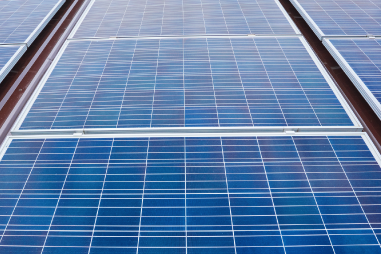
Solar PV usage has surged, but with that comes increased electrical and environmental vulnerability, especially during peak storm and heat seasons.
Solar faults can trigger structural fires, electrical burnout, or roof penetration leading to water damage each with significant quantum implications
Green environments, including bush estates and eco‑developments, introduce vegetation‑driven hazards that interact dangerously with solar and battery systems.
Insights from internal guidance emphasise how strong winds render even wide firebreaks ineffective and place duties on landowners to maintain fire‑readiness equipment and procedures.
Renewable systems layer additional load on domestic and commercial electrical networks, creating risk conditions do not present under original electrical CoCs.
Green technology introduces a growing gap between what clients install and what is declared at underwriting
The full process is outlined in the Hollard Insure Claims Framework.
If you wish to help improve TP recoverable fire losses, please notify us and we'll share the detailed process.